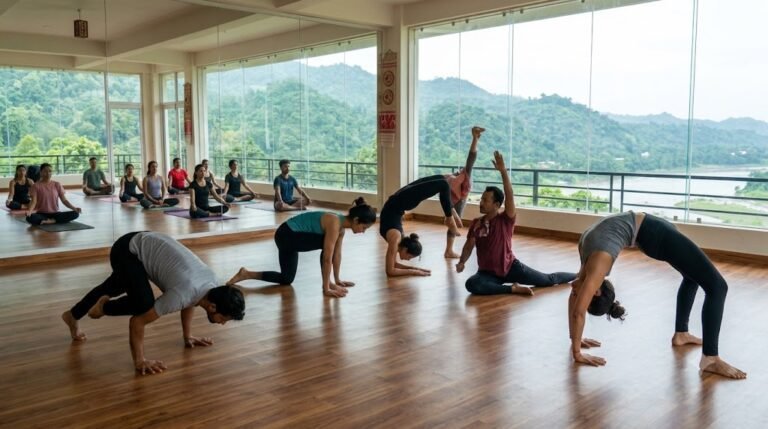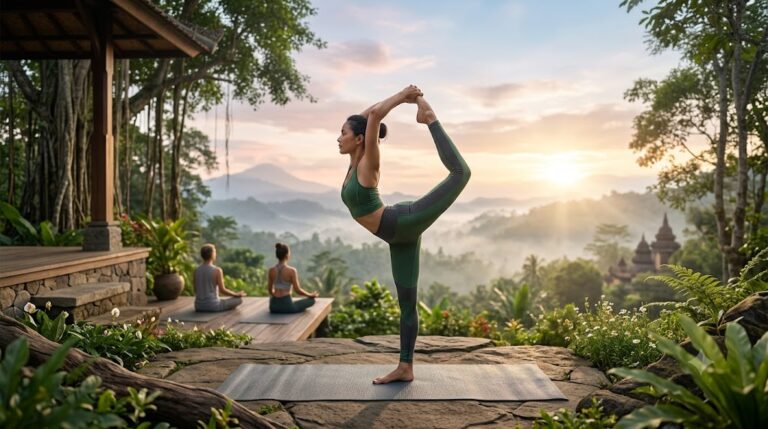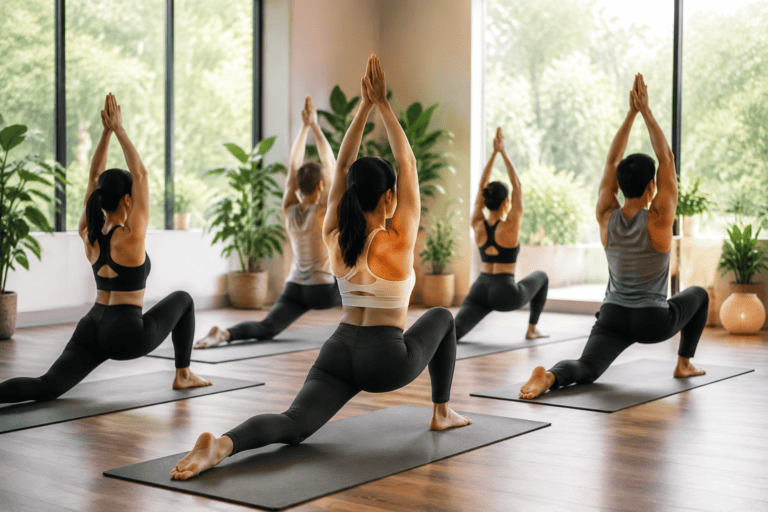
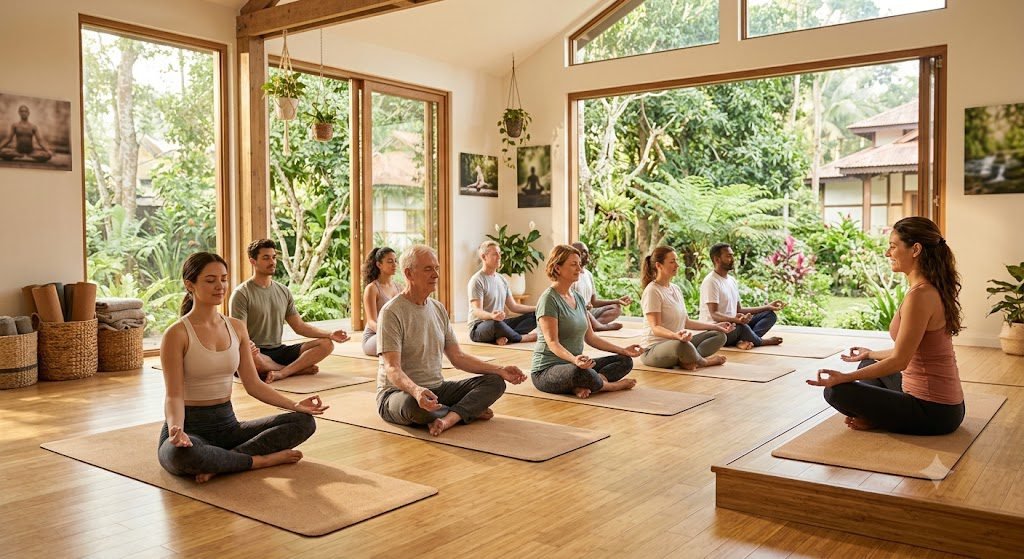
Life in a busy urban area can make it difficult to maintain physical fitness, mental calmness and a consistent wellness routine. Long working hours, screen exposure, limited physical movement and everyday responsibilities can gradually affect flexibility, posture, sleep and stress levels. This is why many people are turning to yoga as a practical way to care for both the body and mind. For people searching for the best yoga centre in Sixmile, Durlav Yoga Centre offers a welcoming environment where beginners and experienced practitioners can develop a regular yoga routine under professional guidance. With a focus on mindful movement, breathing, relaxation and individual progress, the centre helps residents of Sixmile and nearby areas work towards healthier everyday living.
A Trusted Yoga Centre in Sixmile, Guwahati
Convenience is one of the most important factors in maintaining a regular fitness routine. A yoga centre located close to home or work makes it easier to attend classes consistently and turn occasional exercise into a sustainable habit.
Durlav Yoga Centre serves people from Sixmile and surrounding locations in Guwahati who want access to structured yoga sessions without travelling far across the city. Its local presence makes it suitable for students, professionals, homemakers, senior citizens and other residents seeking guided yoga practice.
Rather than focusing only on difficult postures, a balanced yoga programme can include movement, breathing, relaxation and mindfulness. These elements can work together to support physical fitness and mental well-being.
Yoga Offers More Than Physical Exercise
Yoga is often viewed as a flexibility exercise, but its scope is much broader. Traditional yoga combines physical postures, controlled breathing, concentration and relaxation to encourage harmony between the body and mind.
The World Health Organization describes yoga as a holistic practice associated with physical and mental health benefits. Its guidance highlights areas such as stress reduction, physical fitness, flexibility, strength, balance and overall quality of life.
This combination makes yoga attractive to people with different wellness goals. Some may join to become more active, while others may want to manage daily stress, improve mobility or simply create a peaceful break in their routine.
Supporting Flexibility, Balance and Mobility
Modern lifestyles frequently involve sitting for long periods, whether at an office desk, in a vehicle or while using a mobile phone. Insufficient movement may contribute to muscular stiffness and reduced mobility.
Yoga postures move the body through different positions in a controlled manner. With regular and appropriate practice, these movements may help support:
- Muscular flexibility
- Joint mobility
- Body awareness
- Coordination and balance
- Functional strength
- Postural awareness
- Comfortable everyday movement
The World Health Organization notes that yoga combines gentle movement, breathing and mindfulness and may support flexibility, strength, balance and mobility. These abilities are particularly important for remaining physically active as people grow older. Readers can explore the WHO’s guidance on yoga and healthy ageing.
Progress should be gradual. Students should not force their bodies into advanced postures or compare their flexibility with others. A responsible instructor can suggest modifications based on a participant’s age, experience and physical condition.
A Natural Way to Manage Everyday Stress
Mental pressure has become a common part of life for students, working professionals and families. Yoga cannot eliminate every source of stress, but a session involving measured movement, breathing and relaxation may help a person pause and become more aware of their physical and emotional state.
Research summarised by the United States National Center for Complementary and Integrative Health suggests that yoga may support general wellness, stress management, mental and emotional health, sleep and balance.
At Durlav Yoga Centre, a calm and structured class can give Sixmile residents dedicated time to step away from everyday distractions. Regular practice may encourage people to respond more thoughtfully to stress and become more mindful of their habits.
Yoga should not be presented as a replacement for professional mental-health treatment. Anyone experiencing persistent anxiety, depression or emotional distress should consult an appropriately qualified healthcare professional.
Breathing Practices for Greater Awareness
Pranayama, or controlled yogic breathing, is an important part of many yoga traditions. Breathing exercises encourage practitioners to pay attention to their breath and practise slow, controlled patterns under guidance.
Breath awareness may help participants:
- Slow down during stressful moments
- Improve concentration during practice
- Develop awareness of physical tension
- Prepare the mind for meditation
- Create a feeling of relaxation
- Connect physical movement with mental focus
The Government of India’s Ministry of Ayush Yoga Portal provides information about yoga practices and the Common Yoga Protocol. The protocol combines preparatory practices, asanas, pranayama, meditation and a closing resolution within a structured routine.
People with respiratory, cardiovascular or other medical conditions should speak with their doctor before attempting forceful breath retention or advanced pranayama techniques.
Yoga Classes for Beginners
Many people hesitate to join a yoga centre because they believe they are not flexible enough. Flexibility, however, is not a prerequisite for beginning yoga. It is one of the abilities that may gradually develop through consistent practice.
A beginner-friendly yoga class should explain:
- How to enter and leave a posture safely
- How to coordinate movement with breathing
- How to use modifications when needed
- When to stop or rest
- Why discomfort should not be ignored
- How to practise without competition
- How consistency supports gradual progress
Durlav Yoga Centre can provide beginners with a guided setting in which they can learn fundamental movements at an appropriate pace. Professional supervision is valuable because incorrect alignment, excessive stretching and hurried progression can increase the risk of injury.
The NCCIH states that yoga is generally considered safe for healthy people when practised appropriately, but injuries can occur. It recommends learning under a qualified instructor, particularly instead of attempting unfamiliar practices without supervision. More details are available in its official guide, Five Things You Should Know About Yoga.
Yoga for Working Professionals in Sixmile
Professionals often experience long periods of sitting, screen use, travel and mental pressure. A regular yoga routine can offer an opportunity to move the body, practise conscious breathing and transition away from work-related stress.
Yoga sessions may help working adults develop:
- A consistent physical-activity routine
- Greater awareness of sitting posture
- Improved mobility after prolonged desk work
- Relaxation after a demanding day
- Better separation between work and personal time
- Mindfulness regarding sleep and lifestyle habits
Instead of waiting for a completely free schedule, residents can treat yoga classes as planned appointments for personal well-being. Choosing a nearby yoga centre in Sixmile can make this routine easier to maintain.
Yoga for Children and Students
Children and students face academic expectations, increased screen time and limited opportunities for physical movement. Age-appropriate yoga can introduce them to balance, coordination, breathing and relaxation in a non-competitive environment.
A carefully designed children’s yoga programme may support:
- Physical movement and flexibility
- Balance and coordination
- Body awareness
- Attention during guided activities
- Calm breathing habits
- Confidence and self-discipline
Children should practise under an instructor who understands age-appropriate teaching. Advanced poses, excessive stretching and adult-focused routines may not be suitable for every child.
Yoga should complement—not replace—outdoor play, adequate sleep, nutritious food and medical care.
Gentle Yoga for Senior Citizens
Older adults may prefer gentle movements that focus on comfortable mobility, balance, breathing and relaxation. Practices may need to be modified using a chair, wall or other form of support.
According to the World Health Organization, yoga may contribute to healthy ageing by supporting movement, strength, flexibility, balance and mental well-being. However, every senior practitioner has different health needs.
Before beginning classes, older adults should inform the instructor about:
- Joint replacements or arthritis
- High or low blood pressure
- Heart conditions
- Osteoporosis
- Balance difficulties
- Recent surgery or injury
- Medication-related limitations
- Any advice given by their doctor
Durlav Yoga Centre can be considered by Sixmile families seeking a supervised and adaptable wellness activity for older members, subject to medical suitability and the availability of appropriate classes.
Can Yoga Help with Back or Neck Discomfort?
Some people begin yoga because they experience stiffness or discomfort associated with sedentary work. Evidence indicates that yoga may offer modest benefits for certain people with lower-back pain, although results vary.
The NCCIH’s review of scientific evidence reports that yoga may produce small improvements in back-related function compared with no exercise. It also notes that the evidence for neck pain is more limited. Readers can examine the detailed scientific evidence on yoga for health.
Yoga is not a universal treatment for back or neck pain. Pain may have many causes, and some movements could worsen specific conditions. Anyone with persistent, severe or radiating pain, numbness, weakness or a recent injury should seek medical assessment before joining a class.
Participants should tell their instructor about existing conditions and avoid movements that cause sharp pain.
Creating a Sustainable Wellness Routine
Health improvements rarely come from one class or a short period of intense effort. They usually depend on habits that can be maintained over time.
A realistic yoga routine may involve:
- Attending classes consistently
- Starting with fundamental movements
- Practising within personal limits
- Getting enough sleep and rest
- Drinking sufficient water
- Eating a balanced diet
- Remaining physically active outside class
- Following medical advice when necessary
- Allowing the body time to progress
- Avoiding comparisons with other practitioners
Durlav Yoga Centre can provide the structured setting and community support that many people need to remain consistent. The most appropriate class is not necessarily the most difficult one; it is the class that safely matches the student’s goals and can be continued regularly.
Why Guided Yoga Practice Matters?
Online videos can introduce people to yoga, but they cannot always identify incorrect alignment or understand a participant’s medical history. In-person guidance allows an instructor to observe movements, explain precautions and suggest suitable modifications.
A professional yoga environment can offer:
- Clear posture demonstrations
- Supervised practice
- Individual corrections where appropriate
- Gradual progression
- A scheduled routine
- A calm learning atmosphere
- Motivation through group participation
- Guidance on breathing and relaxation
These factors help explain why many Sixmile residents prefer attending a local yoga centre instead of relying entirely on unsupervised practice.
Choosing the Best Yoga Centre in Sixmile
Before enrolling in any yoga centre, prospective students should attend a consultation or trial session where available. They should also ask questions about:
- Instructor qualifications and experience
- Types of yoga classes offered
- Beginner and advanced class options
- Class size and personal attention
- Hygiene and ventilation
- Safety practices
- Timings and monthly fees
- Age-specific sessions
- Modifications for health conditions
- Trial-class availability
The best yoga centre is one that prioritises appropriate teaching, safety, consistency and individual progress. Students should feel comfortable asking questions and informing the instructor about injuries or medical conditions.
Begin Your Wellness Journey at Durlav Yoga Centre
Durlav Yoga Centre offers Sixmile residents an accessible place to explore yoga as part of a balanced lifestyle. Whether the goal is improving flexibility, becoming more active, managing everyday stress or developing a mindful routine, guided and consistent practice can be a valuable starting point.
Yoga is not about achieving a perfect posture. It is about learning to move with awareness, breathe with attention and understand the body’s limits. With appropriate instruction and regular effort, practitioners can gradually build a healthier relationship with physical activity and mental well-being.
If you are searching for professional yoga classes or the best yoga centre in Sixmile, contact Durlav Yoga Centre to enquire about current class schedules, programme options, fees and trial sessions.
Sources and External References
- World Health Organization – Yoga for Healthy Ageing
- WHO South-East Asia – International Day of Yoga and Health Benefits
- National Center for Complementary and Integrative Health – Yoga: Effectiveness and Safety
- NCCIH – Yoga for Health: What the Science Says
- NCCIH – Five Things You Should Know About Yoga
- Ministry of Ayush – Official Yoga Portal
Health disclaimer: Yoga may support general fitness and well-being, but it is not a substitute for diagnosis or treatment by a qualified healthcare professional. People who are pregnant or have injuries, chronic conditions, recent surgery or other medical concerns should obtain professional advice before beginning a new yoga programme.