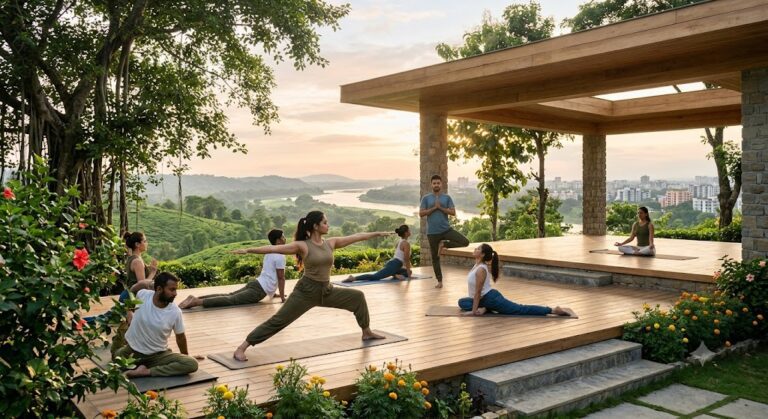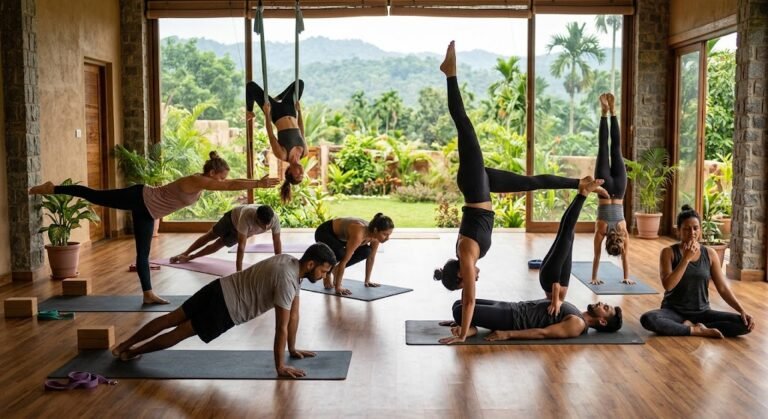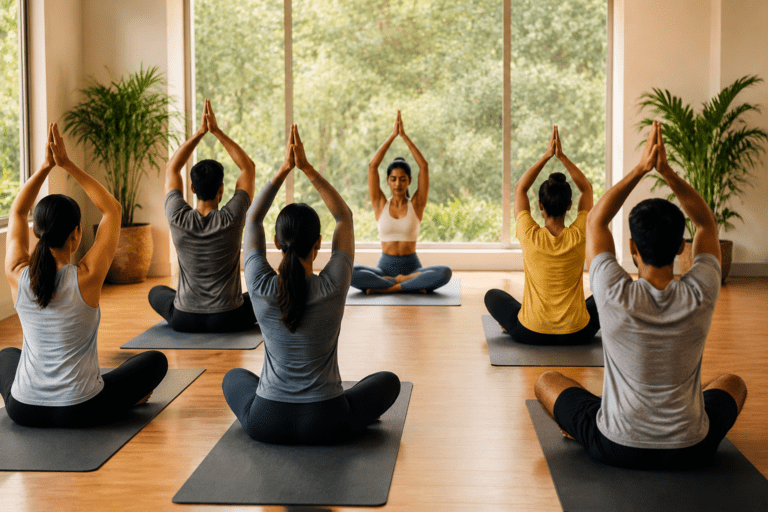
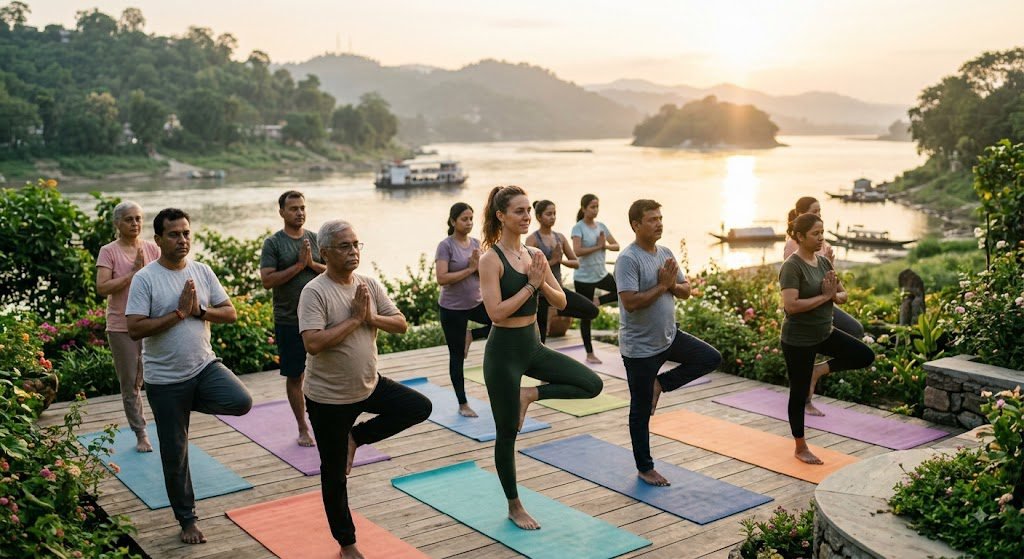
Discover Expert-Guided Yoga Classes in Guwahati
Modern life often involves long working hours, extended screen time, irregular routines and limited physical activity. Over time, these habits may affect flexibility, posture, energy levels and emotional well-being. Developing a consistent wellness routine can therefore be an important step towards maintaining a healthier and more balanced lifestyle.
For people searching for expert-guided yoga classes in Guwahati, Durlav Yoga Centre offers structured sessions designed to make yoga accessible to beginners and regular practitioners. Located in the Sixmile area of Guwahati, the centre provides a supportive environment where participants can learn yoga postures, breathing practices, relaxation techniques and mindful movement under professional guidance.
Unlike unsupervised practice, an instructor-led yoga class can help participants understand alignment, breathing, safe progression and appropriate modifications. This makes guided training particularly valuable for beginners, older adults and people returning to physical activity after a long break.
Why Yoga Is Relevant to Modern Lifestyles
Yoga is a holistic discipline that commonly combines physical postures, controlled breathing, concentration and relaxation. It is not simply about performing difficult poses or achieving extreme flexibility.
The World Health Organization describes yoga as a practice that integrates physical activity, breath regulation, mindfulness and meditation. When practised regularly and appropriately, it may support physical function, mental well-being and social connection.
A well-structured yoga routine may help participants work towards:
- Greater flexibility
- Improved balance
- Better body awareness
- Functional strength
- Improved mobility
- Healthier movement habits
- Relaxation and stress management
- More consistent physical activity
- Improved concentration
- A stronger mind-body connection
Results vary between individuals and depend on factors such as regularity, age, health condition, lifestyle and the suitability of the chosen practices.
Why Choose Expert-Guided Yoga Classes?
Online videos may introduce basic yoga movements, but they cannot observe a participant’s posture, mobility or physical limitations. A trained instructor can provide guidance based on the individual’s ability and help reduce avoidable mistakes.
The National Center for Complementary and Integrative Health states that yoga is generally considered safe for healthy people when practised properly under the guidance of a qualified instructor. It also notes that injuries can occur, particularly when poses are performed incorrectly or without appropriate modification.
Expert guidance can provide several benefits.
Correct Posture and Alignment
Small alignment errors may place unnecessary pressure on the knees, back, neck, wrists or shoulders. An instructor can observe the participant and recommend corrections.
Gradual Progression
Beginners should not be expected to perform advanced poses immediately. Guided classes allow participants to build mobility, balance and confidence step by step.
Breathing Coordination
Breathing is an important part of yoga practice. An instructor can explain when to inhale, exhale or maintain normal breathing during movements.
Individual Modifications
Not every posture is suitable for every person. A knowledgeable trainer can suggest a simpler variation, use supportive props or recommend avoiding a pose.
Motivation and Consistency
Many people begin exercising enthusiastically but struggle to maintain a routine. Scheduled group or individual classes can provide structure and accountability.
Why Consider Durlav Yoga Centre in Guwahati?
Durlav Yoga Centre is a local yoga and wellness destination serving people in Guwahati. Its location around Sixmile and Khanapara makes it accessible to residents from several nearby areas, including Chachal, Beltola, Panjabari, Dispur, Ganeshguri and GS Road.
People looking for yoga classes in Guwahati may consider Durlav Yoga Centre for:
- Instructor-guided yoga practice
- Beginner-friendly sessions
- Group yoga classes
- Personalised attention
- Breathing and relaxation practices
- Flexibility and mobility training
- Age-appropriate yoga
- Wellness-focused routines
- A supportive practice environment
Class schedules, trainer availability, programme details and fees may change. Interested participants should contact the centre directly and confirm the latest information before visiting.
Yoga Classes for Beginners in Guwahati
Many beginners hesitate to join yoga because they believe they are not flexible enough. Flexibility is not a requirement for beginning yoga; it is one of the abilities that may gradually improve through appropriate practice.
A beginner-friendly session may introduce:
- Basic standing postures
- Gentle seated movements
- Simple forward and backward movements
- Joint-mobility exercises
- Foundational balance practices
- Basic breathing awareness
- Guided relaxation
- Safe transitions between postures
The focus should be on learning correctly rather than comparing performance with other participants.
Beginners should inform the instructor about injuries, surgery, high blood pressure, pregnancy, joint problems, back conditions or other relevant medical concerns before starting.
Yoga for Working Professionals
Guwahati’s professionals may spend several hours sitting at desks, driving, attending meetings or using phones and computers. Prolonged sitting and limited movement can contribute to stiffness and reduced physical activity.
A yoga routine designed for working adults may focus on:
- Neck and shoulder mobility
- Hip and leg flexibility
- Back and spinal movement
- Posture awareness
- Breathing exercises
- Relaxation after work
- Short practices that fit busy schedules
The Ministry of Ayush’s Y-Break programme was developed to encourage working professionals to use short yoga practices involving postures, breathing and meditation to feel refreshed and refocused.
Joining regular yoga classes can help working professionals establish a routine beyond occasional workplace movement breaks.
Yoga for Senior Citizens
Yoga can be adapted for older adults according to their mobility, balance, fitness level and medical history.
The WHO’s 2026 International Day of Yoga guidance highlights yoga’s potential role in healthy ageing when it is practised safely and adapted to individual capacity. Gentle movement, breathing and mindfulness can support mobility, balance and continued participation in physical activity.
Senior-friendly sessions may include:
- Gentle joint movements
- Supported standing exercises
- Chair-based practices
- Breathing awareness
- Relaxation
- Balance exercises with assistance
- Simple mobility routines
Older adults should avoid forcing a posture or attempting advanced inversions without medical and professional guidance. People with osteoporosis, glaucoma, uncontrolled blood pressure, balance disorders or recent surgery should consult their healthcare provider before beginning.
Yoga for Children and Young People
Children and teenagers may benefit from age-appropriate movement, breathing and concentration activities. A youth-focused class should remain safe, engaging and suitable for the participant’s stage of development.
Sessions may include:
- Simple yoga postures
- Balance activities
- Coordination exercises
- Breathing awareness
- Relaxation
- Focus-building practices
- Positive group participation
Yoga should complement, not replace, active play, sports and other forms of physical activity.
The WHO physical activity guidance recommends that children and adolescents remain physically active regularly and include activities that support muscle and bone development.
Yoga for Flexibility, Strength and Balance
Yoga postures can involve stretching, controlled movement, body-weight support and balance. A carefully planned routine may help participants progressively improve these abilities.
Flexibility
Regular, gentle stretching may improve the comfortable range of movement in muscles and joints. Progress should be gradual and should never involve sharp pain.
Functional Strength
Holding appropriate postures may engage the legs, hips, back, shoulders and core. The aim is controlled movement rather than strain.
Balance
Standing and supported balancing practices can help improve concentration and body awareness. Beginners and older adults should practise near a stable support when needed.
Mobility
Mobility involves both flexibility and the ability to control movement. Guided yoga can encourage smoother and more mindful movement patterns.
Yoga and Stress Management
Yoga includes breathing, movement and relaxation practices that may help some people manage everyday stress.
The NCCIH overview of yoga reports that research suggests possible wellness benefits relating to stress management, emotional health, sleep and balance.
Yoga is not a replacement for professional mental-health treatment. People experiencing persistent anxiety, depression, panic attacks or other significant symptoms should consult a qualified healthcare professional.
Can Yoga Help with Back Discomfort?
Some people join yoga because they experience stiffness or recurring back discomfort. Research suggests that appropriately selected yoga may provide a small benefit for certain people with low-back pain, but yoga is not suitable for every cause of pain.
Anyone experiencing severe pain, numbness, weakness, pain travelling into a limb, loss of bladder or bowel control, recent trauma or unexplained weight loss should seek medical evaluation before exercising.
For people who have received medical clearance, a modified class may focus on:
- Gentle spinal mobility
- Hip flexibility
- Posture awareness
- Controlled core engagement
- Relaxation
- Avoidance of painful movements
Participants should never use yoga to self-diagnose or replace prescribed medical care.
What to Expect in Your First Yoga Class
A first session at a yoga centre may include a brief discussion about the participant’s experience and health background, followed by warm-up movements, postures, breathing exercises and relaxation.
Before attending:
- Confirm the class schedule.
- Ask whether prior booking is required.
- Inform the instructor that you are a beginner.
- Mention relevant health conditions or injuries.
- Wear comfortable clothing.
- Bring a yoga mat, water bottle and small towel if requested.
- Avoid a heavy meal immediately before class.
- Arrive a few minutes early.
- Stop if you experience sharp pain, dizziness or breathing difficulty.
- Ask questions whenever an instruction is unclear.
How to Choose the Right Yoga Centre in Guwahati
Selecting the right yoga centre is an important decision. Consider more than price or distance.
Instructor Experience
Ask about the trainer’s education, certification, experience and approach to teaching different age groups.
Class Size
Smaller groups may allow the instructor to observe participants more carefully.
Beginner Support
The centre should explain poses clearly and offer suitable modifications.
Cleanliness and Comfort
The practice area should be clean, ventilated and free from unnecessary hazards.
Class Timing
Choose a schedule that can be followed consistently rather than occasionally.
Health Screening
A responsible instructor should ask about injuries and health conditions before recommending intensive practices.
Trial Session
If available, attend a trial class to understand the teaching style, pace and environment.
Building a Consistent Yoga Routine
Long-term progress usually comes from regular and appropriate practice rather than occasional intensive sessions.
To build consistency:
- Choose realistic class timings.
- Begin with manageable sessions.
- Practise according to your ability.
- Focus on correct technique.
- Track improvements in comfort and mobility.
- Avoid comparing yourself with others.
- Maintain healthy sleep and eating habits.
- Communicate openly with the instructor.
- Allow adequate recovery.
- Make yoga part of a broader active lifestyle.
The WHO recommends that adults complete at least 150 minutes of moderate-intensity physical activity each week, or an equivalent combination based on individual capacity. Yoga can contribute to physical activity, but a balanced routine may also include walking, strength training or other suitable activities.
Begin Your Wellness Journey at Durlav Yoga Centre
Finding the right yoga centre can make it easier to develop a safe, structured and sustainable practice.
Durlav Yoga Centre offers an accessible option for people searching for expert-guided yoga classes in Guwahati, particularly around Sixmile and nearby localities. Whether your goal is to improve flexibility, build a regular movement routine, learn breathing practices or create time for relaxation, guided instruction can help you begin with greater confidence.
Contact Durlav Yoga Centre to confirm current class timings, available programmes, trainer details, fees and trial-session options. Share any medical conditions or physical limitations before beginning so the instructor can advise whether modifications are required.
Frequently Asked Questions
Is yoga suitable for complete beginners?
Yes. Beginners can start with foundational movements, breathing awareness and relaxation. Choose an instructor who provides clear guidance and modifications.
Where is Durlav Yoga Centre located?
Durlav Yoga Centre has an online business listing around Chachal and Sixmile in Guwahati. Contact the centre directly to confirm the exact current location before visiting.
Can senior citizens join yoga classes?
Many yoga practices can be modified for older adults. Seniors should discuss medical conditions with their healthcare provider and instructor before starting.
How many days a week should I practise yoga?
The appropriate frequency depends on your health, goals and class intensity. Beginners may start with a manageable schedule and increase gradually under guidance.
Can yoga replace medical treatment?
No. Yoga may support general wellness, but it should not replace medical diagnosis, prescribed medication, physiotherapy or mental-health treatment.
What should I bring to a yoga class?
Comfortable clothing, a yoga mat, water bottle and small towel are commonly useful. Confirm with the centre whether mats or props are provided.